Need home termite treatment in West Palm Beach?
Tell us what you are seeing. Request a callback to check provider availability, or send a request and review an estimate when you are ready. No obligation.
No obligation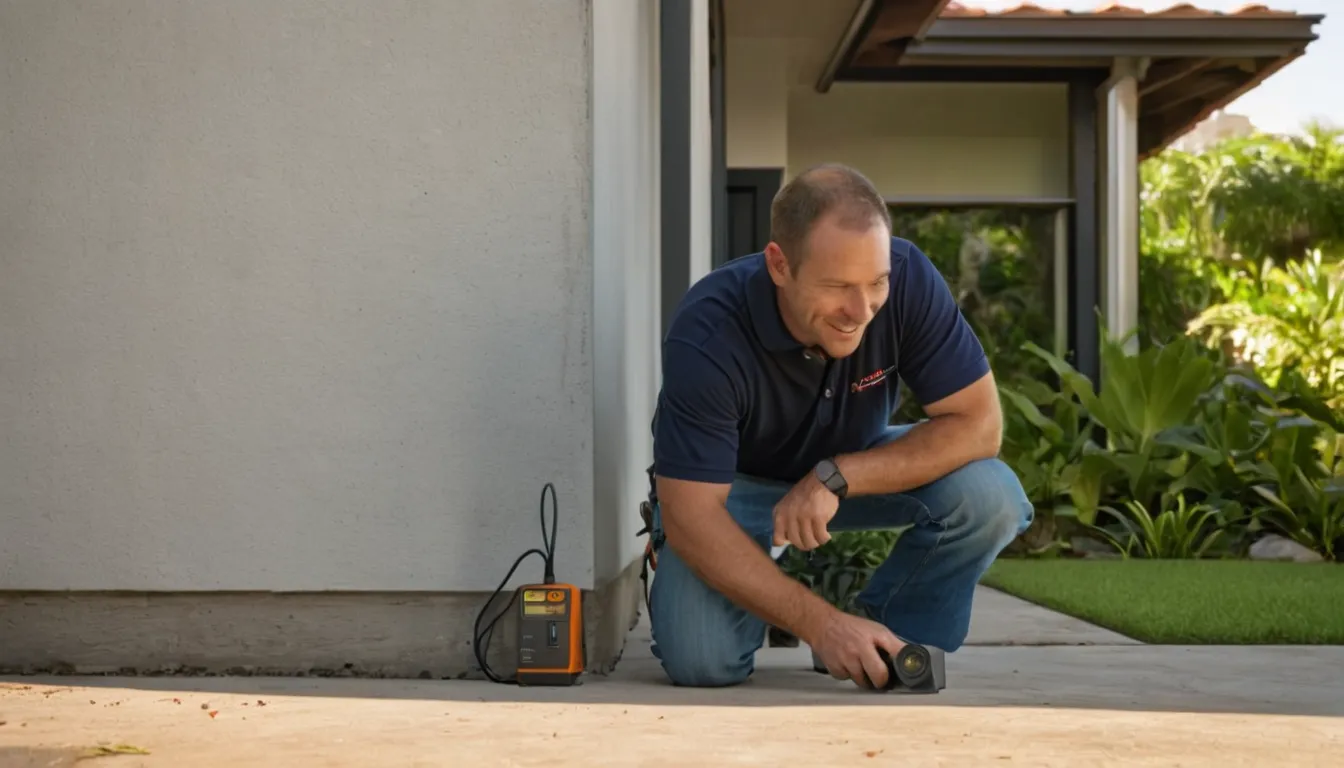
Seeing mud tubes, discarded wings, or soft wood can make your stomach drop. It is a common problem in warm, damp climates, and it can be handled. You do not need to decide everything today.
Yaflower Pest Control is a referral service. We do not treat homes ourselves. We connect homeowners in the West Palm Beach area with independent providers in our network who inspect, explain what they find, and offer treatment options. You can compare what each provider suggests, ask questions, and choose with no obligation. This page walks you through the warning signs, how treatment works, what to ask, and what to expect afterward.
Finding something odd in a wall, a window frame, or a garage corner is stressful. Take a breath. Termites work slowly, and you have time to make a calm plan.
One clear step comes first: write down what you saw and where. Then get a trained provider to look at it.
These small actions help a provider a lot:
It is tempting to grab a store spray. Please hold off. Sprays kill the few insects you can see. They do not reach the colony. Some also scatter termites, so they move to a new spot in your walls.
Termites eat wood from the inside. By the time damage shows, they may have been at work for months. Warm, humid weather keeps them active most of the year, so waiting rarely helps.
Many homeowner policies do not treat termite damage as a sudden event. Check your own policy to see how yours reads.
You do not need to be an expert. Walk around slowly and look for these clues.
Thin tunnels of dirt on foundation walls, slab edges, or piers are a classic sign. They look like pencil-wide lines of dried mud.
Winged insects near windows or lights, or small piles of clear wings on sills, often mean a nearby colony. Swarms often follow warm, damp weather.
Tap baseboards and door frames. A papery, hollow sound is a warning. Doors and windows that suddenly stick can also point to moisture or tunneling.
Small, sand-like droppings near wood can signal drywood termites.
The type matters, because it shapes the treatment. A provider can tell you which one you have.
They nest in soil and travel up to wood through mud tubes. Slab homes, including concrete block houses, give them easy paths through small cracks and expansion joints.
They live inside the wood itself, including attic framing and trim. They need no soil contact, so you may see only pellets.
You can safely do some things yourself. Fix leaking gutters and dripping spigots. Pull mulch back from the foundation. Move firewood and boards away from the house. Keep vents clear.
The treatment itself is a job for a provider. Finding hidden colonies takes special tools, and soil or wood treatments need trained handling and the right products.
A good visit starts with a careful inspection. The provider checks the slab edges, attic, garage, and any wood touching the ground. Then they explain the findings and suggest a plan.
A treated zone is placed in the soil around the home. Termites that cross it are stopped, and some carry the product back to the colony.
Stations are placed around the yard. Termites feed on the bait and share it with the colony. This approach takes patience, and checks continue over time.
Drywood problems may call for localized wood treatment, or for a whole-structure approach when the spread is wide. Ask why a provider picked their method.
Compare, then decide. Ask two or three providers to inspect and quote in writing. Then line the quotes up side by side.
Look at what is covered, the method, the number of follow-up visits, and any repair of damage. A much lower or much higher price deserves a question. Nobody should rush you.
Buyers and lenders often ask for a termite inspection before closing. If you are selling, an inspection report can head off surprises. If you are buying, it shows what you may inherit.
If activity turns up, a provider can quote treatment so both sides can plan. Ask whether any written terms transfer to a new owner.
A few simple questions go a long way:
Providers in our network are independent businesses. Availability varies, so Request a callback to check provider availability.
Your provider will tell you what to expect. Dead termites may still show up for a short time. That is normal.
Keep up the habits that help. Watch for new mud tubes, fix moisture problems, and keep wood off the soil. Book any follow-up checks your provider recommends.
A provider checks slab edges, attics, and wood near soil to find active termites and damage.
You receive a clear plan and price in writing to review without pressure.
Soil, bait, or wood treatment is matched to the termite type and your home.
Many plans include later checks to confirm termite activity has stopped.
Prices vary by home size, termite type, and method. These are typical U.S. ranges only. Always get a written quote from each provider before you decide.
| Service | Typical range | Notes |
|---|---|---|
| Termite inspection | $75 – $300 | Some providers fold this into treatment |
| Liquid soil barrier | $1,200 – $3,500 | Depends on the length of the foundation |
| Bait station system | $1,500 – $3,500 | Often includes monitoring visits |
| Spot treatment for drywood | $250 – $900 | Suits small, local activity |
| Whole-structure drywood treatment | $1,500 – $4,000+ | Varies with home size and access |
| Annual renewal or monitoring | $100 – $400 | Terms differ by provider |
Tell us what you saw and where. Request a callback or use the request form.
We connect you with an independent provider in our network.
Review the inspection findings and written options from each provider you speak with.
Pick a plan only if it feels right. No obligation.
Request estimates from independent providers and weigh them side by side, with no obligation to choose any.
Providers explain what they found and why they suggest a method, in everyday words.
Providers in our network work in humid climates and know how termites behave in slab homes.
No pressure and no rush. You choose when and whether to move forward.
Tell us what you are seeing. Request a callback to check provider availability, or send a request and review an estimate when you are ready. No obligation.
No obligationLook for mud tubes, discarded wings, hollow-sounding wood, and tiny pellets. Many of these signs look like other problems, so a trained provider should confirm it with a careful inspection.
Store sprays usually miss the colony, and some scatter termites to new spots. You can reduce moisture and clear wood from the soil, but treatment itself is safer left to a provider with proper equipment.
Many standard policies do not cover termite damage, since it is seen as a slow, preventable problem. Check your own policy, and ask a provider to document any damage for a claim.
Tell us what you are seeing. Request a callback to check provider availability, or send a request and review an estimate when you are ready. No obligation.
No obligation